



With over 683,000 miles of roads and a population of more than 30 million people, the highway system of Texas handles an enormous volume of traffic every single day.
That scale comes with serious consequences.
An estimated 1,851 people were killed in crashes across Texas in just the first half of 2025, according to federal traffic safety data. Roughly 62% of all highway deaths occur on interstates and major corridors. Certain stretches of road appear in crash studies repeatedly, not by coincidence, but because of specific conditions that make them more dangerous than others.
This guide covers which highways carry the most risk, why collisions happen so frequently on them, and what drivers can do to stay safer.
Why Texas Has So Many Highway Accidents
Several structural factors combine to make Texas roads more dangerous than those of most other states. It is not simply a matter of more cars on the road.
Speed limits on many Texas interstates reach 80 mph, with select stretches permitted up to 85 mph. At those speeds, stopping distances increase dramatically. A vehicle traveling at 50 mph can typically stop within 170 to 200 feet. At 80 mph, that distance can stretch beyond 600 feet. When something unexpected happens, drivers have far less time and space to respond.
Road quality compounds the problem. Around 16% of major Texas roads are rated in poor condition, above the national average of 13%. Rough surfaces affect braking and vehicle control, especially at high speeds.
Add to that the sheer volume of traffic. Nearly 25% of all statewide traffic flows through the interstate network, even though interstates make up only about 2.3% of all roads in Texas. That concentration of fast-moving vehicles on a small fraction of the road system creates conditions where crashes happen often and tend to be severe.
Rural geography plays a role as well. Long, undivided stretches of highway with limited lighting and delayed emergency response times mean that serious crashes in remote areas can have worse outcomes than the same crash in an urban setting.
I-10 Accident Hotspots in Texas
I-10 is one of the most heavily traveled freight and passenger corridors in the country, and it runs the full width of Texas from the Louisiana border to El Paso. That distance alone creates risk. Drivers cover hundreds of miles on a single stretch of road, often pushing through fatigue rather than stopping.
Speed limits along I-10 reach 80 mph in multiple segments. Near Houston, the highway expands to handle some of the densest traffic in the state, creating a constant cycle of merging, lane changes, and sudden slowdowns. In the western stretches, the road opens into long, flat rural sections where speed creep and driver fatigue become the primary hazards.
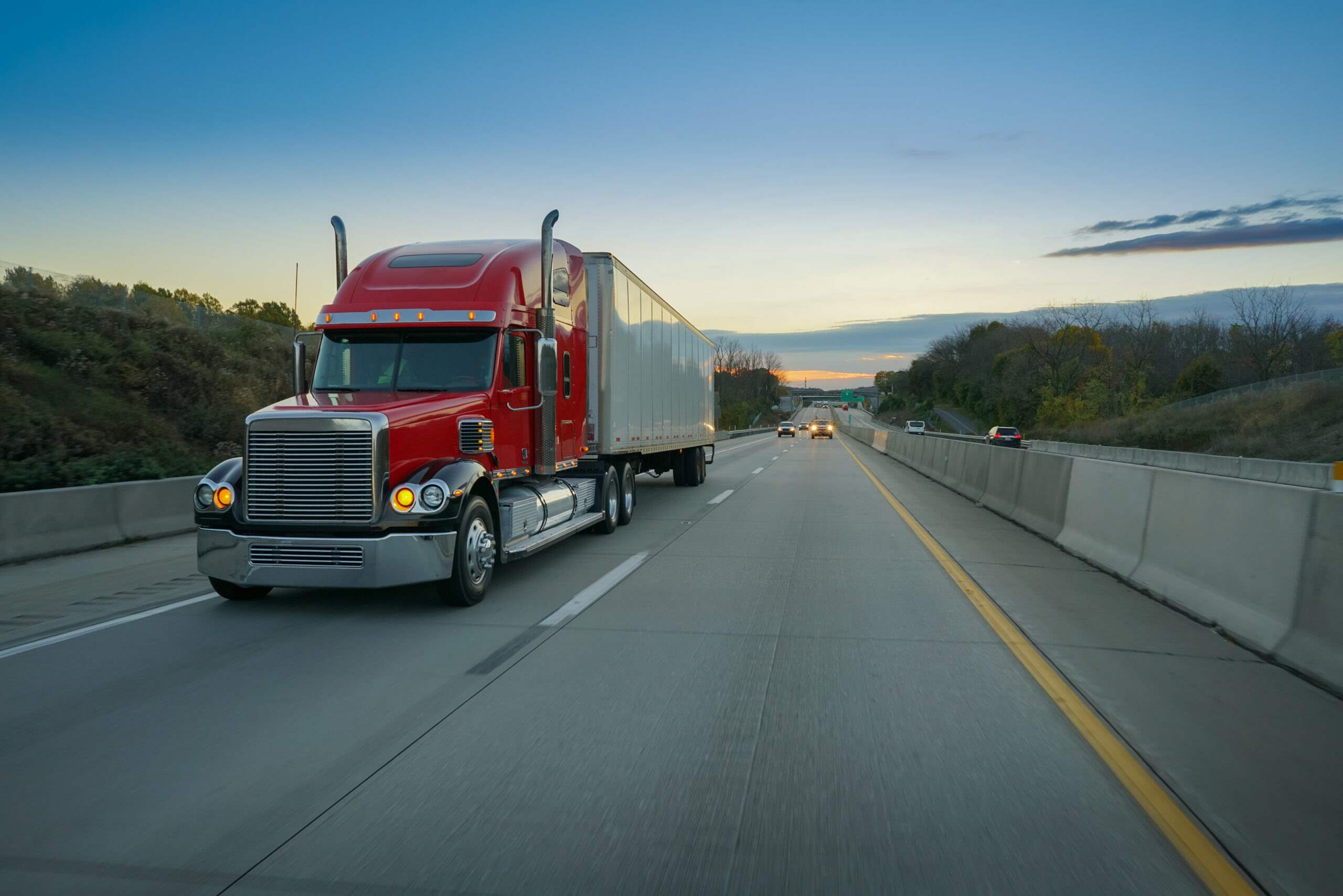
Commercial trucks are a constant presence on I-10. The corridor links major ports and logistics hubs, making it one of the busiest freight routes in the nation. Heavy trucks require far more stopping distance than passenger vehicles, and when traffic backs up near metro areas, the risk of rear-end collisions escalates quickly.
Common crash patterns on I-10 include:
- High-speed rear-end collisions in congested areas near Houston and San Antonio
- Truck accidents in areas where freight traffic merges with commuter traffic
- Fatigue-related crashes on long rural segments between El Paso and San Antonio
- Sudden lane changes and merging conflicts near major interchanges
I-35 Accident Hotspots in Texas
I-35 connects the three largest cities in central Texas: Dallas, Austin, and San Antonio, along a north-south corridor that serves as both a major freight route and a daily commuter lifeline. That combination creates conditions for frequent, serious crashes.
The highway is notorious for stop-and-go congestion, particularly in Austin where construction and population growth have outpaced infrastructure capacity for years. Traffic that moves freely at highway speeds one moment can come to a near standstill the next. That kind of unpredictable flow is where multi-vehicle pile-ups originate.
Urban segments of I-35 also pass through areas with heavy truck activity near distribution centers and logistics facilities. Trucks traveling at speed through congested corridors reduce the margin for error for every driver around them.
Crash patterns frequently documented on I-35 include:
- Rear-end collisions caused by sudden traffic slowdowns
- Multi-vehicle crashes in construction zones near Austin and San Antonio
- Truck-related accidents near major freight interchanges
- Intersection and on-ramp conflicts in densely populated urban corridors
I-20 Accident Hotspots in Texas
I-20 runs east to west across Texas, connecting the Dallas-Fort Worth metro area with Midland, Odessa, and points west. Much of the route passes through long rural stretches where speed limits reach 80 mph and emergency services can be a significant distance away.
The highway carries heavy freight traffic, particularly from the energy sector in West Texas. Trucks hauling oilfield equipment, chemicals, and heavy loads share the road with passenger vehicles across hundreds of miles of open highway.
Long straight sections of I-20 contribute to a pattern of high-speed crashes. Without curves or geographic features to prompt natural speed reductions, drivers tend to exceed posted limits. Fatigue sets in on long rural segments. Limited roadway lighting after dark makes hazard detection more difficult.
Common hazards on I-20 include:
- Speeding on long open rural stretches
- Fatigued driving during long-haul routes
- Limited lighting in rural sections creating reduced visibility at night
- Sudden lane changes or merging conflicts near interchanges with local roads
What Drivers Can Do to Stay Safer on Texas Interstates
Awareness of which highways carry the most risk is useful, but practical habits matter more on the road. Several specific behaviors reduce crash risk on high-speed interstates.
- Maintain a following distance that gives you enough room to stop if traffic ahead slows suddenly
- Avoid aggressive or sudden lane changes, particularly around commercial trucks
- Take planned rest breaks on long-distance routes rather than pushing through fatigue
- Reduce speed and increase following distance in construction zones
- Stay alert to shifting traffic conditions near major metro interchanges where congestion can appear without warning
- Keep headlights on during reduced visibility conditions, including dusk, dawn, and light rain
Fatigue deserves particular attention on long rural stretches. The monotony of straight, flat highway driving accelerates drowsiness. Stopping every two hours on extended trips is a reasonable minimum.
Hurt in a Crash on a Texas Highway? Speak With an Attorney
If you or someone you love was seriously injured in a crash on one of these highways, the circumstances matter. Heavy truck involvement, speeding, road conditions, and driver fatigue each affect how liability is determined and who can be held responsible.
At Zinda Law Group, our legal team investigates highway crashes throughout Texas, gathers evidence from crash sites and federal databases, and works to hold negligent drivers and companies accountable. There are no upfront fees. Contact us today for a free consultation and let us help you understand your options.

John (Jack) Zinda
Founder / CEO
Over 100 years of combined experience representing injured victims across the country.
Available 24 / 7|Free Consultation
Neil Solomon
Partner
Real results matter. We do not get paid unless we win your case.
Available 24 / 7|Free Consultation