



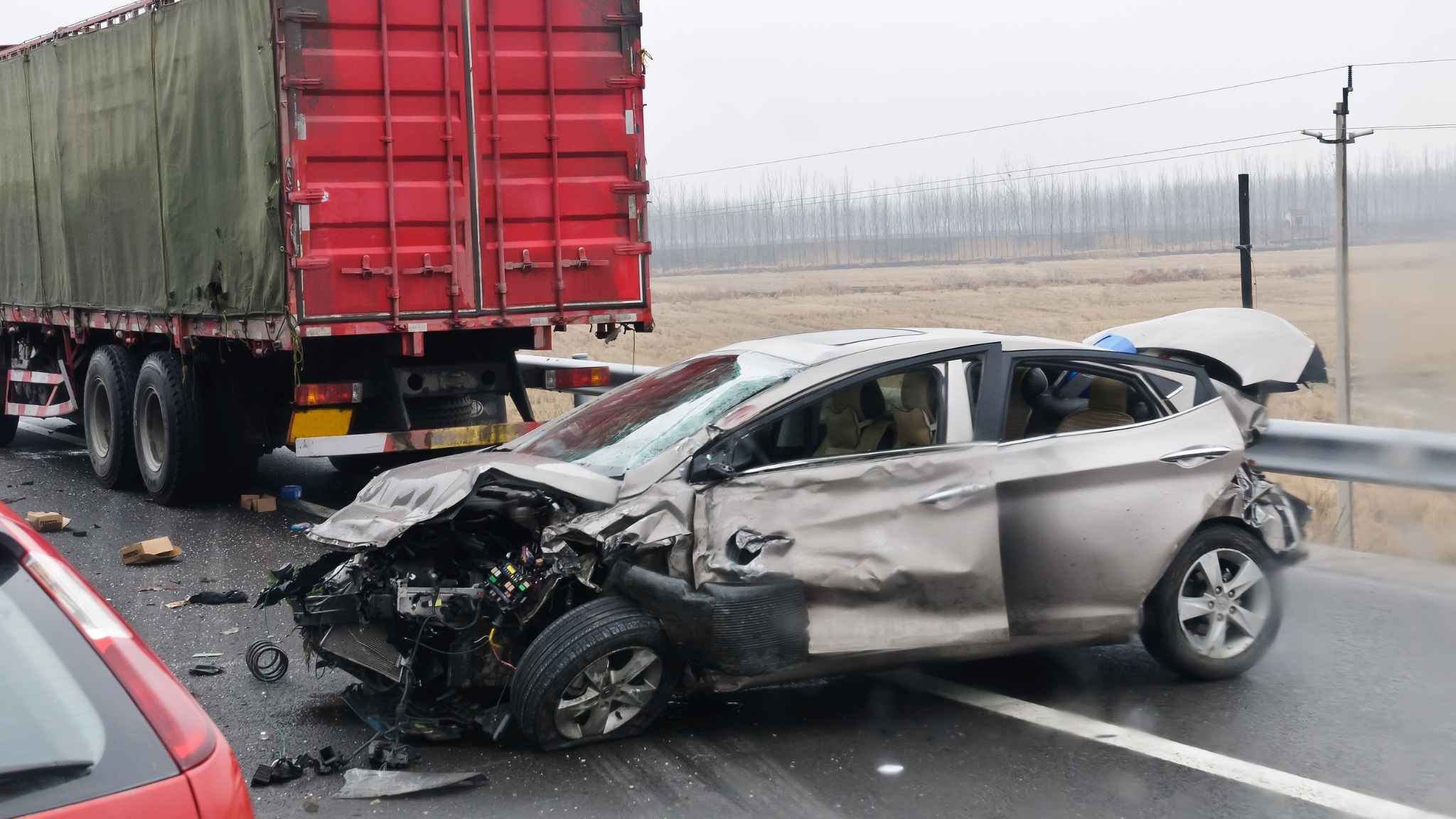
After a serious truck accident, it is easy to focus on the driver. But investigations regularly uncover a broader problem: a trucking company that hired a dangerous driver, ignored the warning signs, and put that person behind the wheel anyway.
Companies sometimes bring on drivers with histories of DUI arrests, repeated safety violations, or failed background checks. When a company overlooks those red flags, Texas law may allow you to pursue a negligent hiring trucking lawsuit in Texas directly against the company.
Texas courts still allow these claims in 2026, but the legal standard has tightened. Courts will now demand a clear, direct link between the company’s hiring decision and the specific conduct that caused your crash. A troubled driver history alone is not enough. You need evidence showing the company’s failure to screen that driver was a proximate cause of what happened to you. Building that case takes time, and the evidence needed to do it can disappear quickly.
What Negligent Hiring Means in Texas Trucking Cases
Negligent hiring is a legal claim grounded in the employer’s own conduct. Texas courts have long held that any business retaining someone for a role has a duty to investigate that person’s background, stay informed of their fitness, and answer for injuries that stem from a failure to do so. In trucking, the consequences of getting this wrong are severe. Commercial vehicles can weigh up to 80,000 pounds, and the damage they cause in a crash can be catastrophic.
This claim is distinct from respondeat superior, which holds employers liable simply because an employee caused harm while on the job. Negligent hiring goes further. It targets what the company knew, or should have known, before the driver was ever hired, and whether that failure created an unreasonable risk to the public.
Common examples of company negligence in hiring include:
- Bringing on a driver with multiple prior safety violations
- Overlooking failed drug or alcohol tests
- Skipping required background checks entirely
- Keeping a driver on after discovering a disqualifying history
A negligent hiring trucking lawsuit in Texas targets the company’s decisions, not just the driver’s actions on the day of the accident.
Why Trucking Companies Can Be Responsible for Dangerous Drivers
Trucking companies carry a legal responsibility to protect the public when they place commercial drivers on public roads. That responsibility begins at the hiring stage and continues for as long as the driver is employed.
Federal regulations require companies to conduct thorough screenings before assigning drivers to commercial vehicles. Those obligations include reviewing motor vehicle records, verifying past employment, checking drug and alcohol history, and confirming that a driver holds the appropriate commercial license.
When companies rush the hiring process to keep trucks moving and revenue flowing, safety checks sometimes get skipped. A company that cuts corners on screening and places an unqualified driver on the road may face serious legal exposure when that driver causes a crash.
What Victims Must Prove in a Negligent Hiring Lawsuit in Texas
Bringing a successful negligent hiring claim requires more than showing that a driver had a troubled record. You will need to build a case that connects the company’s hiring decision directly to the crash.
Texas courts apply a three-part framework. Your legal team must establish that the employer had a duty to hire and retain competent drivers, that the company breached that duty, and that the breach proximately caused your injuries. Proximate cause carries the most weight. Texas law requires proof that the company’s failure to properly screen the driver was a direct cause of what happened to you, not simply that the driver had a bad history in general.
Without that direct connection, courts have held that imposing liability would effectively make employers insurers for every person their driver encounters. That is the standard your attorney must meet.
How Recent Texas Supreme Court Decisions Changed These Cases
Texas courts have shifted how they evaluate negligent hiring claims, and those shifts directly affect your options as a victim.
One of the most significant recent examples is the Texas Supreme Court’s 2025 ruling in the Werner Enterprises case. The court reversed a $90 million verdict stemming from a 2014 crash where another vehicle crossed a highway median and struck a Werner tractor-trailer. The court found that Werner’s driver had done nothing wrong and that the company bore no responsibility for the accident. The ruling reinforced that proximity to an accident is not enough to establish liability. The company’s conduct must have actually contributed to the harm.
That principle applies directly to negligent hiring claims. Courts now require a meaningful connection between the driver’s prior history and the specific conduct that caused the crash. A bad driving record on its own is no longer sufficient.
If a driver had prior speeding violations and the crash resulted from speeding, that history becomes directly relevant evidence. If those violations involved conduct unrelated to the crash, they may carry little weight in court. Your attorney will need to identify which parts of the driver’s history connect to what happened and build the case around that specific link.
The Growing Impact of the “Admission Rule” in Trucking Lawsuits
The admission rule is a legal development that has changed how certain trucking cases are structured. If you are considering a negligent hiring claim, your attorney will need to account for it.
When a trucking company admits that the driver was acting within the scope of employment at the time of the crash, the company may already be liable for the driver’s negligence through respondeat superior. In those situations, courts have sometimes limited separate negligent hiring claims on the basis that liability is already established.
This does not close the door on negligent hiring claims entirely. It means your attorney needs to evaluate whether a separate negligent hiring theory adds meaningful value to your case. In many situations, it still does, particularly when the evidence reveals broader corporate failures in the hiring process.
Evidence That Can Prove a Trucking Company Hired an Unsafe Driver
Strong evidence is the backbone of any negligent hiring claim. Much of it can vanish within weeks of a crash, which is why getting an attorney involved early is critical.
Three categories carry the most weight:
- Driver qualification files are often the starting point. These records contain the job application, motor vehicle record, road test results, and background investigation documentation. Employment gaps and prior safety violations in these files can reveal what the company knew before the driver was ever hired.
- Drug and alcohol records carry significant weight in court. Investigators review FMCSA Clearinghouse data and look for any history of failed screenings the company may have ignored.
- Safety violation history covers logbook violations, hours-of-service problems, and prior crash involvement. A pattern of violations the company was aware of strengthens a negligent hiring claim considerably.
Trucking companies have little incentive to preserve any of it. The sooner your attorney sends a preservation letter, the better.
Can Trucking Companies Avoid Liability by Using Independent Contractors
Many trucking companies classify drivers as independent contractors rather than employees, sometimes specifically to limit legal exposure after accidents.
Texas courts do not accept that classification at face value. What matters is how the working relationship actually functioned, not the label attached to it.
A company may still be held responsible for a contractor driver if it:
- Controlled the driver’s routes or scheduling
- Supervised how the driver performed the work
- Provided the truck or primary equipment used
Judges and juries examine the substance of the relationship. If the company exercised meaningful control over the driver’s day-to-day activities, the independent contractor label provides little legal protection.
Why Negligent Hiring Claims Still Matter in 2026
Even with tighter legal standards, pursuing a negligent hiring trucking lawsuit in Texas remains valuable for many victims. These claims can accomplish something other liability theories sometimes cannot: they expose what happened inside the company before the crash.
A successful claim can bring to light systemic safety failures, patterns of cutting corners on hiring, and corporate practices that placed profit ahead of public safety. That exposure matters for you as a victim, and it matters for the safety of everyone else on the road.
Negligent hiring claims can also increase the total compensation available to you. When company-level fault is established, damages can extend to the full resources of the employer rather than being limited to the driver’s individual liability.
What to Do If You Suspect a Trucking Company Hired a Dangerous Driver
If you were injured in a truck accident and believe the company shares responsibility, the steps you take right after the crash can have a significant impact on your case.
Seek medical care immediately, even if your injuries feel minor at first. Document everything you are able to: the crash scene, your injuries, and any communications with the other driver or their employer. Do not speak with the trucking company’s insurance adjusters on your own. Those adjusters represent the company’s interests, and early statements can be used against you later.
Contact a truck accident attorney as quickly as you can. Driver qualification files, black box data, and employment records can disappear fast. The sooner a legal team gets involved, the stronger your position will be.
How a Texas Truck Accident Lawyer Investigates Negligent Hiring
Building a negligent hiring claim requires a thorough investigation that extends well beyond the crash scene. Attorneys with experience in trucking cases know where to look and how to preserve what matters.
The process typically involves securing driver qualification files before they can be altered or destroyed, reviewing federal safety records through the FMCSA, and analyzing the driver’s full employment history for patterns of misconduct. Trucking safety experts are often brought in to evaluate whether the company’s hiring process met federal and industry standards.
Accident reconstruction specialists may also be needed to show exactly how the driver’s specific history connects to the crash itself. This kind of investigation takes time and requires access to company documents that are not always handed over willingly.
Talk With a Texas Truck Accident Lawyer About Your Case
Negligent hiring cases are complex, and the window to preserve critical evidence is short. Determining whether a trucking company hired an unsafe driver requires a detailed review of records that companies do not make easy to obtain.
At Zinda Law Group, our legal team investigates trucking companies, analyzes employment records, and builds cases for injured Texans. There are no upfront fees to get started. If you or someone you love was seriously injured in a truck crash, contact us today for a free consultation. You deserve a clear picture of what happened and a team focused on getting you the compensation you are owed.

John (Jack) Zinda
Founder / CEO
Over 100 years of combined experience representing injured victims across the country.
Available 24 / 7|Free Consultation
Neil Solomon
Partner
Real results matter. We do not get paid unless we win your case.
Available 24 / 7|Free Consultation