


Yes. When a dangerous road condition causes a crash and the government agency responsible for that road knew about the hazard and failed to fix it, a lawsuit may be possible.
Cities, counties, and state transportation departments are responsible for maintaining safe public roads. When they ignore known hazards for too long, they can be held accountable for the harm that results.
These claims follow different rules than standard car accident cases, and the deadlines are strict.
When You Can Sue for Poor Road Conditions
A lawsuit against a government agency for road conditions is viable when three things align: a dangerous condition existed, the responsible agency knew or should have known about it, and that condition caused the crash.
The legal term for this type of claim is government liability, and it falls under the same framework as other negligence cases. The agency had a duty. It failed to meet that duty. The failure caused harm.
One element that frequently determines whether a claim succeeds is notice. Proving the agency had prior knowledge of the hazard, and still did nothing, is often the difference between a strong case and a dismissed one.
Who Is Responsible for Maintaining the Road?
Responsibility depends on which government entity controls the road where the hazard existed. Public roads are managed by different agencies depending on their classification.
- City governments maintain local streets, intersections, and city-owned roads
- County road departments handle county roads and rural routes outside city limits
- State transportation agencies, such as TxDOT in Texas, oversee state highways and interstates
- Federal agencies manage roads within national parks and certain federally controlled areas
Identifying the correct agency is essential before filing any claim. A notice of claim submitted to the wrong entity does not stop the deadline from running. An attorney can confirm which agency is responsible based on the road’s classification and jurisdiction.
Common Road Conditions That Can Cause Accidents
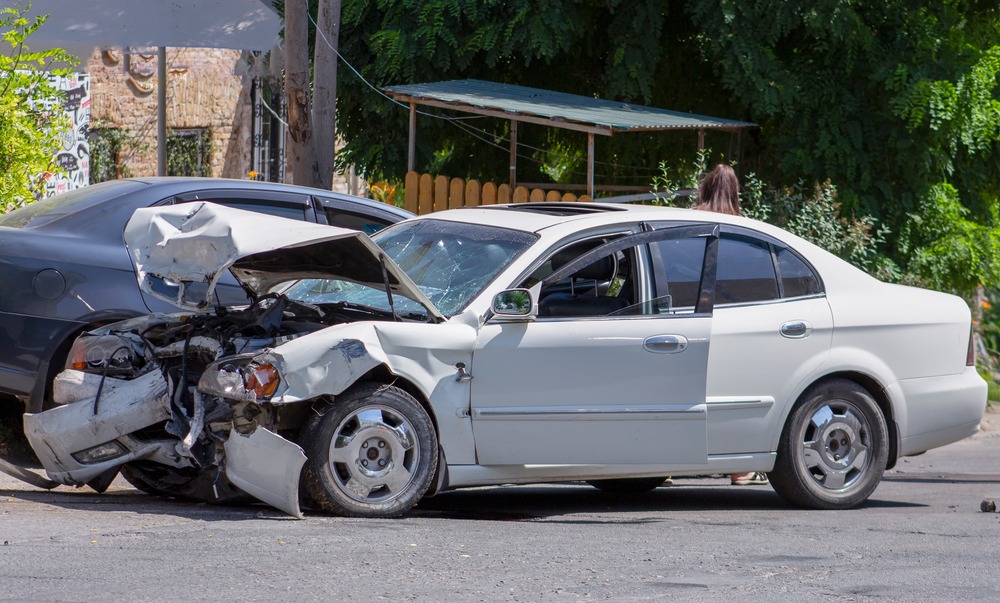
Road hazards come in many forms, and not all of them are visible until a driver is directly on top of them. Any condition that reduces a driver’s ability to safely navigate the road can form the basis of a claim.
Common hazards include:
- Deep or widespread potholes that damage tires, wheels, and suspension
- Missing, faded, or damaged road signs that leave drivers without critical guidance
- Broken or malfunctioning traffic signals that create intersection confusion
- Inadequate lighting on roadways where visibility is essential
- Missing or deteriorated guardrails on curves, bridges, or elevated sections
- Debris, uneven pavement, or surface deterioration that affects vehicle handling
The longer these conditions go unaddressed, the stronger the argument that the agency had constructive notice and failed to act.
What You Must Prove in a Poor Road Condition Lawsuit
Winning a road condition claim requires more than showing the road was in bad shape. Courts apply a multi-part negligence standard to evaluate whether the government agency is legally responsible.
To succeed, a victim typically needs to establish:
- The government agency had a legal duty to maintain the road
- The road condition presented a genuine danger to drivers
- The agency knew about the hazard or should have discovered it through routine inspection
- The agency failed to repair or warn about the hazard within a reasonable timeframe
- The hazard directly caused the crash and the resulting injuries or damage
The notice element is often the hardest to prove. Prior complaint records, maintenance logs, inspection schedules, and reports of similar incidents on the same road can all help establish that the agency was aware of the problem and chose not to address it.
Why Government Road Claims Are More Difficult Than Typical Car Accident Cases
Government liability claims involve procedural requirements that do not exist in standard personal injury cases. These rules exist to protect government agencies, and they apply strictly.
Most claims require filing a formal notice of claim with the responsible agency before any lawsuit can be initiated. This notice must typically include specific information about the accident, the location of the hazard, the nature of the injuries, and the damages being sought.
Filing deadlines are shorter than standard personal injury statutes of limitations. In Texas, claims against certain government entities must be filed within six months of the incident. Some jurisdictions set deadlines as short as 30 to 90 days.
Miss the deadline, and the claim is barred. Courts rarely make exceptions.
Evidence That Helps Prove Poor Road Condition Claims
Building a road condition case requires documentation that connects the hazard to the crash and shows the agency had knowledge of the problem before the accident occurred.
Strong evidence includes:
- Photographs of the road hazard taken at or near the time of the crash
- Accident scene photos showing vehicle damage, skid marks, and the surrounding road
- The official police accident report documenting the location and conditions
- Maintenance and inspection records showing when the road was last reviewed
- Complaint records or service requests submitted by other drivers before the crash
- Witness statements from people who had prior knowledge of or experience with the hazard
Prior complaint records are particularly valuable. A single pothole that one person reported three weeks before your crash demonstrates both the existence of the hazard and the agency’s opportunity to fix it.
Talk With a Lawyer About Your Accident Caused by a Road Condition
Deadlines in government road condition claims are short and unforgiving. The sooner legal counsel is involved, the more options remain open.
At Zinda Law Group, our legal team handles government liability claims for road hazard accidents and helps injured victims pursue the compensation they are owed. There are no upfront fees. If you or someone you love was hurt in a crash caused by a dangerous road condition, contact us today for a free consultation.

John (Jack) Zinda
Founder / CEO
Over 100 years of combined experience representing injured victims across the country.
Available 24 / 7|Free Consultation
Neil Solomon
Partner
Real results matter. We do not get paid unless we win your case.
Available 24 / 7|Free Consultation