












A fracking accident lawyer represents oil and gas workers hurt on a well pad or in a gas field. Most oilfield injury claims start with workers’ compensation. Many can also reach the company whose pressure line, equipment or safety failure caused the injury.
This page covers worker injuries from fracking and other oilfield accidents on gas field sites. The Texas and New Mexico rules are explained below. Most deadlines count from the date of the oil field accident, so bring that date to your free consultation.
Article summary
Key things to know
- Most oilfield injury claims start with workers’ compensation.
- Many can also reach the company whose pressure line, equipment or safety failure caused the injury.
- Texas workers’ compensation does not pay for pain and suffering.
- Injured workers can bring a comp claim and a personal injury lawsuit against a third party at the same time.
- A Texas employer must be notified of a comp injury within 30 days.
What a fracking accident lawyer does for injured gas workers
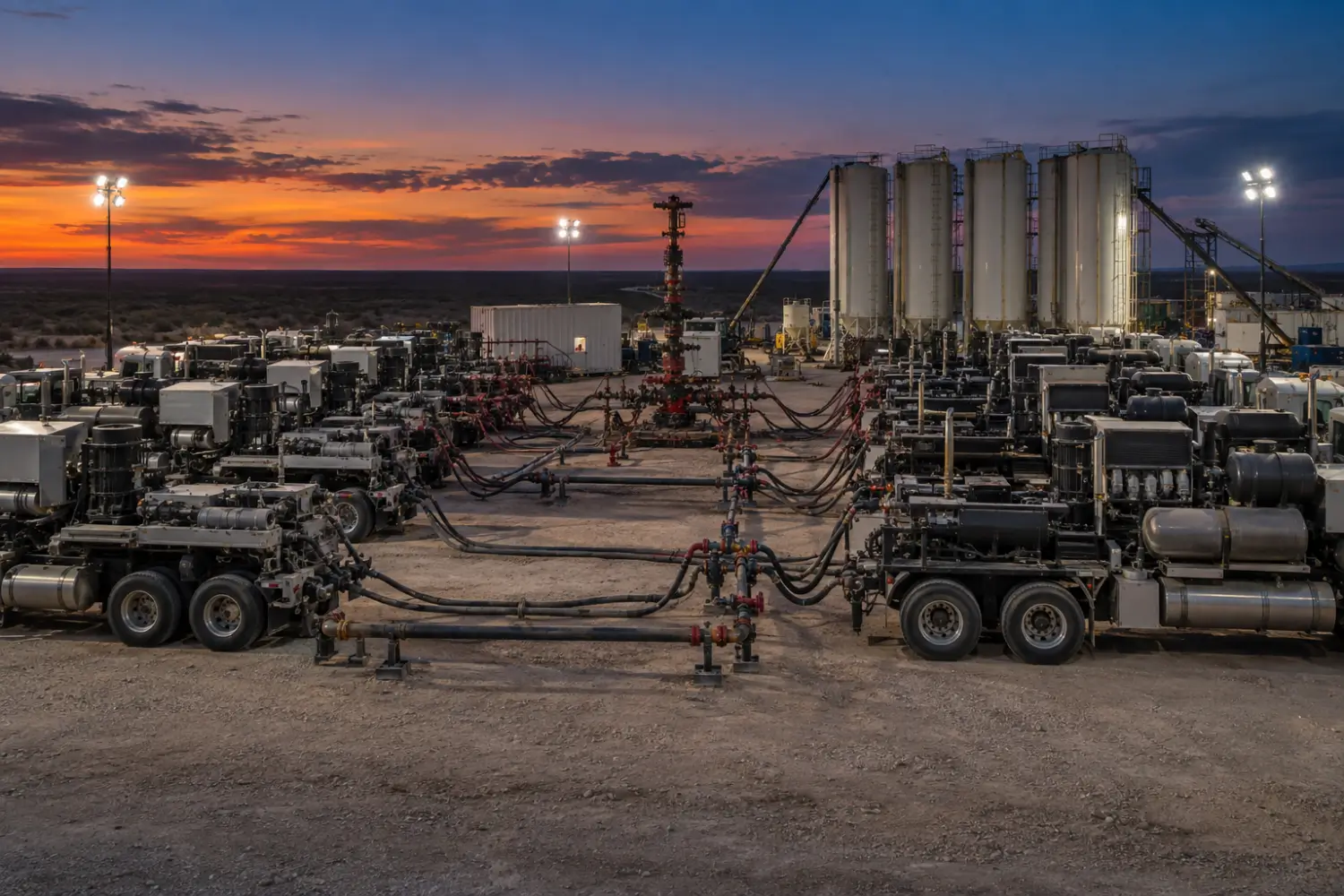
A frac job puts several companies on one small pad. The operator is usually one of the oil companies that hold the lease. A pressure pumping company runs the frac fleet while wireline, sand and water hauling crews come and go. An oil field injury lawyer sorts out which of them controlled the work that failed.
Zinda Law Group can represent oilfield workers and gas workers across the oil and gas industry, from pump operators and flowback testers to sand haulers. Our law firm can also represent the families of oil field workers killed on the job. Each claim gets its own review of the facts, the companies and the deadlines. The legal team gathers the records and identifies every company on location before the pad moves to the next well. It can also bring in engineers and safety consultants to review the equipment that failed. Injured workers choosing a firm should ask an experienced fracking accident lawyer how many well site cases the lawyer has handled.
Free case review
Unsure whether a fracking injury may qualify?
Frac jobs involve several contractors, so we look at who ran the job and whether faulty equipment played a role in the injury.
How fracking accidents happen in the oil and gas industry
Hydraulic fracturing pumps fluid and sand into a well at very high pressure. Fluid and gas then flow back up to tanks on the surface. Oil field accidents on a frac pad tend to start with one of a few hazards.

High-pressure lines and treating iron
OSHA lists high-pressure lines and equipment among the main hazards in oil and gas extraction. Internal erosion can make a line leak or burst, and a failed connection can strike anyone nearby. OSHA also lists struck-by hazards from moving vehicles, falling equipment and high-pressure lines. Equipment malfunctions like these send an oil field injury lawyer straight to the inspection and training records for every line involved. OSHA says equipment must be designed, installed and maintained properly, with operating procedures in place for safe operations.
Flowback and production tank vapors
NIOSH and OSHA have warned that opening hatches on flowback and production tanks can release high concentrations of hydrocarbon gases and vapors. That release can leave too little oxygen to breathe and can create a risk of fire or explosion. From 2010 to 2014, NIOSH and OSHA identified nine workers who died while manually gauging or sampling production tanks.
Hydrogen sulfide in the gas field
Oil and gas wells can release hydrogen sulfide (H2S), a toxic gas, and expose oil and gas workers to it. OSHA notes that at high concentrations it causes a loss of the sense of smell. At 700 to 1,000 parts per million it can cause collapse within one or two breaths and death within minutes.
Frac sand and silica dust
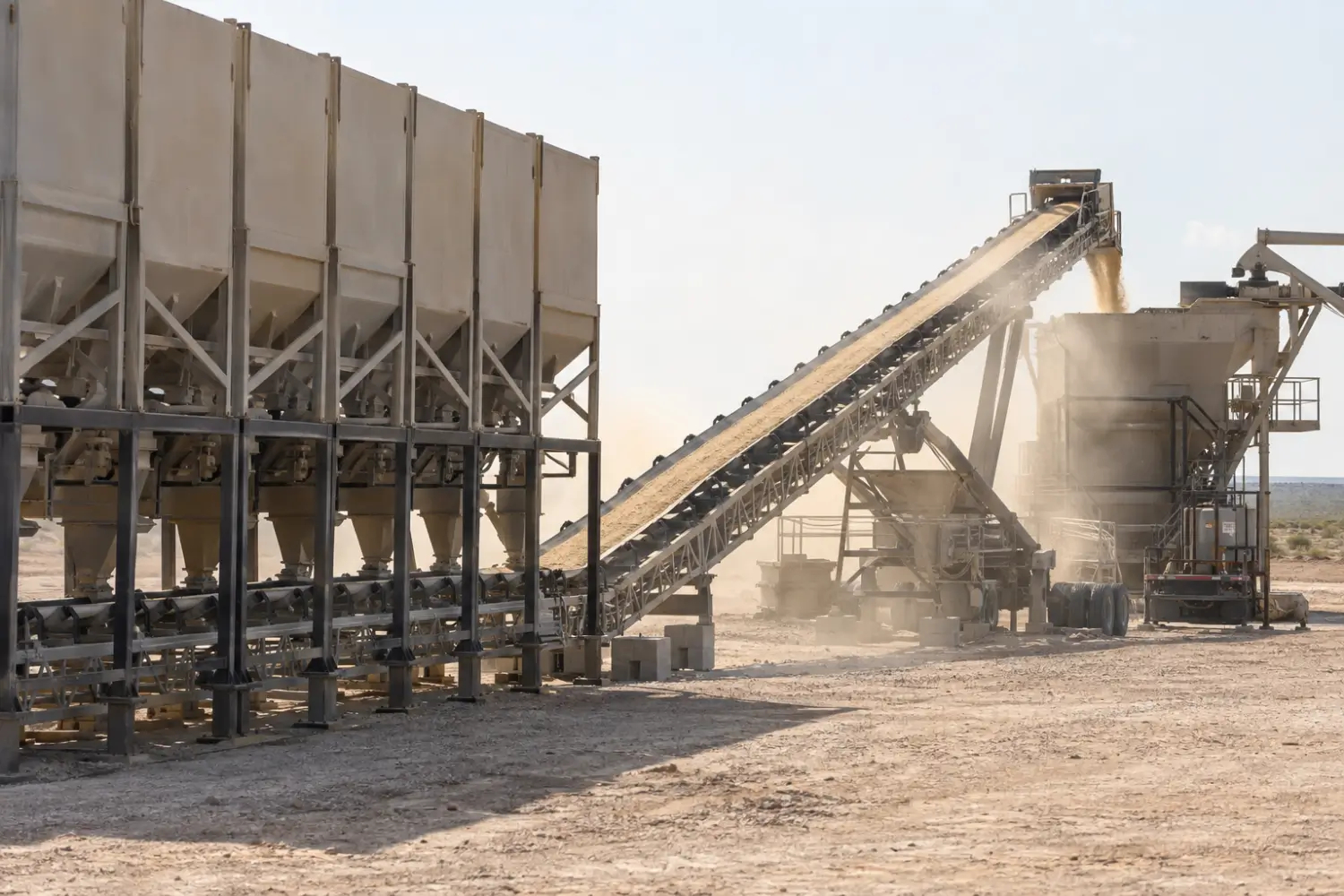
Frac sand is a source of respirable crystalline silica. Fracking falls under OSHA’s general industry silica standard, not the construction standard. That rule caps exposure at 50 micrograms per cubic meter of air averaged over an 8-hour day. Fracking operators had to have engineering controls in place by June 23, 2021.
Fires, explosions and toxic chemicals
A gas well explosion can injure a whole crew at once, much like oil rig explosions on a drilling floor. Explosion injuries range from severe burns to blast and crush injuries. In CDC research covering 2014 to 2019, explosions caused 14.5 percent and fires 12.8 percent of oil and gas extraction deaths. OSHA also warns that toxic chemicals used in hydraulic fracturing can cause chemical burns and toxic vapor exposure.
Oil truck accidents on lease roads
Across the oil industry, sand, water and chemicals reach a frac site by truck. From 2003 to 2013, transportation incidents caused 40.3 percent of oil and gas extraction worker deaths (CDC). Transportation incidents accounted for 28 of the 65 deaths in drilling and oilfield support companies and operators in 2024 (BLS).
Common injuries suffered by fracking accident victims
Fracking accidents often cause severe injuries that need long medical treatment. The common oilfield injuries seen on a frac pad include:
- Severe burns from flash fires, explosions and caustic chemicals.
- Crush injuries and broken bones from treating iron, trucks and heavy equipment.
- Traumatic brain injuries from a line strike or a fall.
- Spinal cord injuries from falls and vehicle rollovers.
- Gas exposure from hydrogen sulfide or hydrocarbon vapors, which can cause sudden collapse.
- Lung disease. OSHA links frac sand silica to silicosis, lung cancer, chronic obstructive pulmonary disease (COPD) and kidney disease.
These are the common injuries suffered by many oilfield workers in the gas industry. Serious injuries like these bring mounting medical bills and lost wages, and medical expenses can continue for years. Medical records made close to the oil field accident are strong evidence of what it caused.
Workers’ compensation benefits and third-party compensation claims
Texas workers’ compensation pays medical benefits and income benefits after a work injury, but its benefits do not include a payment for pain and suffering. If a Texas employer carries workers’ compensation, benefits are generally the only remedy against that employer. In New Mexico, comp is also generally the exclusive remedy against an insured employer. Income benefits replace only some of the money a worker loses. Temporary income benefits are generally 70 percent of the drop in weekly wages, and Texas caps weekly income benefits by the date of injury: $1,271 a week for injuries from October 1, 2025 to September 30, 2026, and $1,314 for injuries from October 1, 2026 to September 30, 2027 (Texas Department of Insurance).
Workers’ compensation claims do not protect the oil companies and contractors on the oil field. When someone else’s negligence caused the injury, injured workers can bring two claims at the same time. One is workers’ comp. The other is a personal injury lawsuit against that third party. The two compensation claims run side by side, and the comp carrier is generally repaid from the third-party recovery.
Texas does not require most private employers to carry workers’ compensation. Nonsubscribers made up 24 percent of Texas private employers in 2024 (Texas Department of Insurance), and a worker hurt by one can sue it directly. Our oilfield injury guide and our page on nonsubscriber claims in Texas explain both claim paths.

Who may be liable: gas companies, contractors and manufacturers
Oil field claims often involve more than one company. Third party liability matters on a frac job because many oil field workers on the pad do not work for the operator. In CDC research covering 2014 to 2019, about three fourths of oil and gas extraction deaths were among contractors. Well servicing company workers made up 60.4 percent, drilling contractors 17.9 percent and operators 5.1 percent.
Oil companies and gas companies that hold the lease often set the schedule and the safety rules for the oil field site. They also hire the oil and gas drillers, pressure pumping crews and other contractors for each well, and each one can be among the other responsible parties. Under Texas law a property owner is liable to a contractor’s employee only in limited situations, so who controlled the work matters. On many Texas job sites a general contractor can agree in writing to provide workers’ comp to a subcontractor’s crew. That agreement can change who the worker can sue. A burst line or failed valve can also point to defective equipment, and a claim against the manufacturer sits outside workers’ comp entirely.
Safety regulations that protect oilfield workers on a frac site
Hydraulic fracturing sits under several overlapping safety rules, and oil industry safety programs run on written procedures and permits. Occupational safety rules set the baseline every company on an oil field site has to meet, from the silica limit to proper safety equipment such as respirators and gas monitors. When oil companies or contractors skip a required step, the gap can show up in their own records.
NIOSH and OSHA recommend that workers not gauge or sample tanks alone. In all nine tank deaths they reviewed, the worker was alone or not being observed. Employers must report a work-related death to OSHA within 8 hours, and an in-patient hospitalization, amputation or loss of an eye within 24 hours. That report is one of the first records an oil field injury lawyer requests in oilfield accident cases.
Financial compensation in a fracking injury case
Fair compensation in an oilfield injury claim depends on which claim applies. Workers’ comp pays set benefits. Injured workers who seek compensation from another company or a nonsubscriber employer can recover full personal injury damages, including economic and noneconomic losses. The aim of a personal injury case is to secure fair compensation for every loss the injury caused.
Texas separates economic damages, such as medical bills and lost income, from noneconomic damages such as physical pain, mental anguish, disfigurement and physical impairment. Recovery of medical expenses is limited to the amount actually paid or incurred. New Mexico juries may also award damages for pain and suffering and for loss of enjoyment of life. Texas also allows exemplary (punitive) damages for fraud, malice or gross negligence proved by clear and convincing evidence.
When a gas field accident is fatal: wrongful death claims
Fatal injuries in oil field accidents leave families with their own claims. When a worker’s death was caused by the employer’s gross negligence or an intentional act, the surviving spouse and the worker’s children may still seek exemplary damages under Texas law. Texas comp also pays death benefits to legal beneficiaries and burial benefits of up to $10,000. A wrongful death claim against another company on the oil field site is also possible. Families can read about Texas wrongful death law and New Mexico wrongful death claims.
State-specific deadlines
Questions about how much time you have?
Deadlines for fracking injury claims
Every oil field injury claim has its own filing deadline. In Texas, the clock for most injury lawsuits starts on the day of the oil field accident.
| Claim | Texas | New Mexico |
|---|---|---|
| Personal injury lawsuit | Generally two years from the injury (Tex. Civ. Prac. & Rem. Code 16.003(a)) | Generally three years (NMSA 1978, 37-1-8) |
| Wrongful death lawsuit | Generally two years from the date of death (Tex. Civ. Prac. & Rem. Code 16.003(b)) | Generally three years from the date of death (NMSA 1978, 41-2-2) |
| Workers’ comp notice to the employer | 30 days (Tex. Labor Code 409.001) | 15 days, or up to 60 days if the injury prevented notice (NMSA 1978, 52-1-29) |
| Workers’ comp claim | One year from the injury (Tex. Labor Code 409.003) | One year after the employer or insurer fails or refuses to pay (NMSA 1978, 52-1-31) |
General rules current as of September 2026. Exceptions apply.
Silica illness is one of the rare exceptions on a frac crew. For a work-related illness that could not reasonably have been discovered, Texas courts generally start the clock when the worker knew, or should have known, of the illness and that it was likely work-related.
Natural gas and oilfield accidents in New Mexico and Texas
The oil industry in the Permian Basin spans both sides of the state line, and Zinda Law Group handles claims after oil field accidents in Texas and New Mexico.
When you are ready
Talk through the next step.
What to do after a fracking accident
Oilfield workers can protect both their health and the claim in the first days after an oil field accident.
- Get medical care the same day. Some head and internal injuries show symptoms later.
- Report the injury to the employer in writing and keep a copy.
- Keep the clothing and PPE worn during the accident, especially after a gas or chemical exposure.
- Decline a recorded statement to an insurance adjuster until a lawyer has reviewed the claim.
We do not get paid unless we win your case. A free initial consultation with a personal injury lawyer at Zinda Law Group explains the options and the deadlines. Call (800) 863-5312 to talk about what happened.