













A truck accident lawyer builds your claim from records the trucking company controls. Federal rules make carriers keep driver logs, driver files and repair histories. Those records can prove what happened before the crash.
State law sets the deadline to file and the rule on shared fault.
You pay nothing unless we win. Zinda Law Group offers a free consultation about your truck accident at (800) 863-5312.
Article summary
Key things to know
- Federal regulations cover driving hours, driver hiring, truck maintenance and testing after a crash. Each rule can leave a record.
- Some of those records are required for as little as six months, so ask early after a truck accident.
- You may be able to sue a truck company as well as its driver, along with other companies that worked on the truck or its load.
- The filing deadline and the shared fault rule depend on the state. A claim against a government body has its own notice rule.
Free case review
Was a commercial truck involved in your crash?
A short call covers which records to ask for after a truck accident and how long your state gives you.
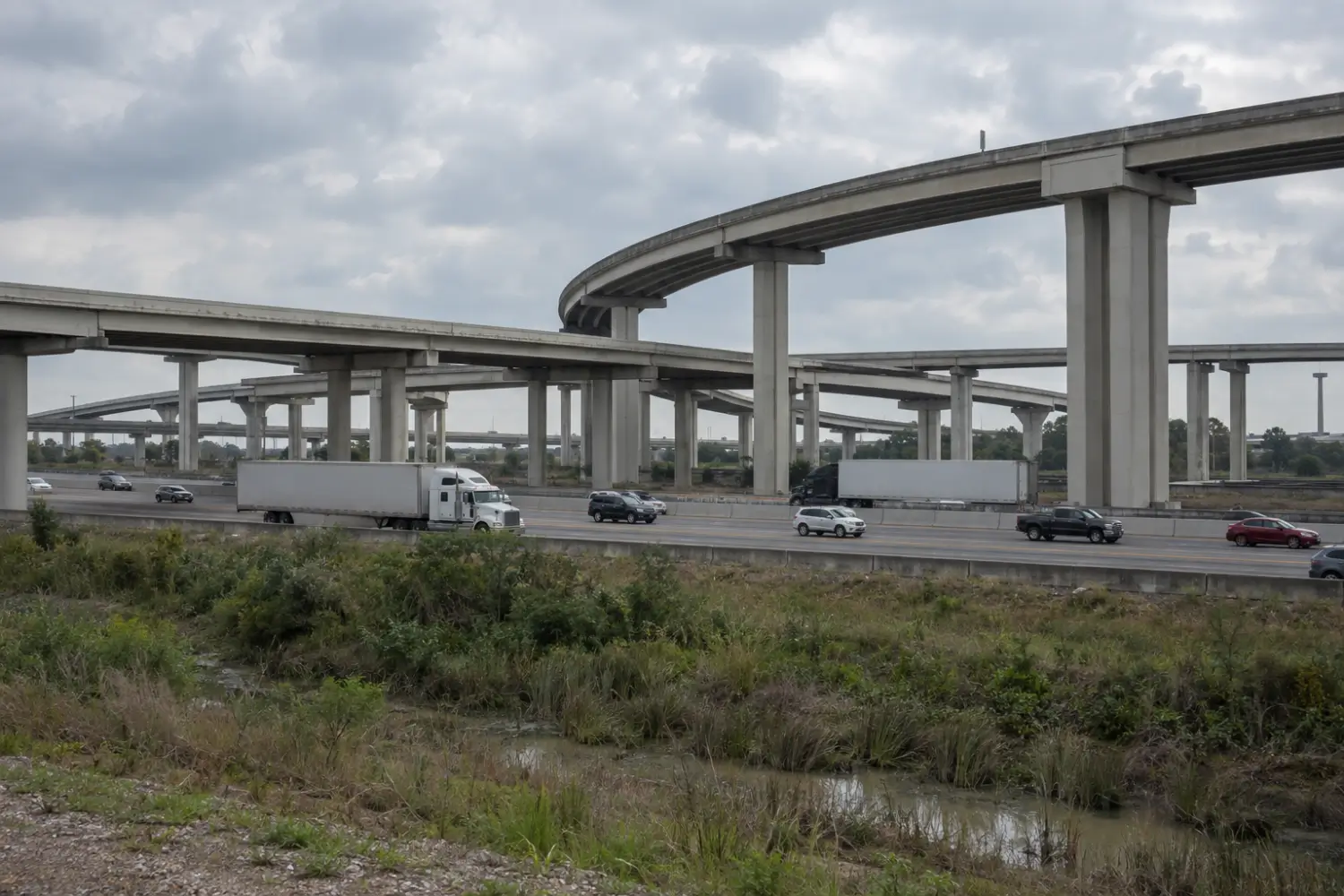
What a truck accident lawyer does
Truck accident lawyers handle injury claims against truck drivers and the companies behind them. The work falls under personal injury law, with federal rules layered on top.
A lawyer asks the trucking company in writing to preserve its logs, its driver file and its maintenance records. A truck accident attorney also takes the insurance companies’ calls and weighs each offer against the client’s losses.
The lawyer explains your legal options at every step. If the insurers will not offer fair compensation, you can take the legal process to a lawsuit.
How truck accident cases differ from a typical car accident
Truck accident cases differ from a typical car accident in who the defendants are and what records exist.
Commercial truck accidents often involve multiple parties, because one company may employ the driver while another owns the trailer or loaded the freight. That makes them harder to sort out than ordinary auto accidents, which our car accident lawyer page covers.
Federal regulations add proof that a car accident claim rarely has. A carrier that runs commercial vehicles across state lines must log its drivers’ hours and document its repairs.
A for-hire carrier hauling nonhazardous freight between states in a truck rated at 10,001 pounds or more must carry at least $750,000 in liability coverage, through insurance, a surety bond or approved self-insurance. The minimum rises to $1,000,000 for oil and many hazardous materials. These minimums, like any insurance coverage above them, are not what a case is worth.
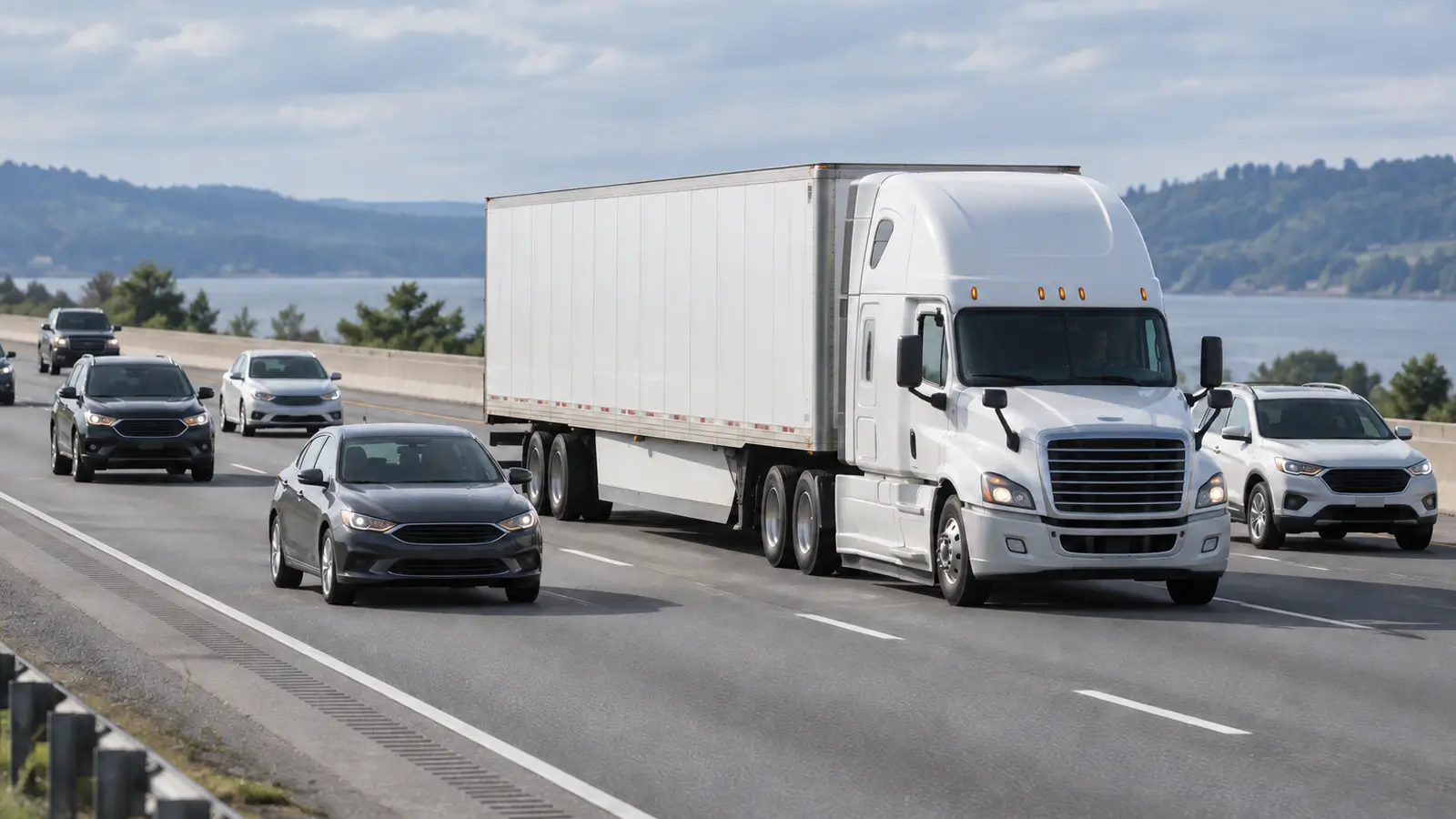
Federal regulations for commercial trucks and truck drivers
The Federal Motor Carrier Safety Administration (FMCSA) writes the safety rules for the trucking industry. Its rules reach big trucks in interstate commerce directly. A broken rule does not prove fault by itself.
Hours of service and fatigued truck drivers
A driver of a property-carrying truck may generally drive at most 11 hours, inside a 14-hour window that opens when the driver comes on duty after 10 consecutive hours off. After 8 hours of driving, the driver must stop driving for at least 30 minutes. Short-haul and sleeper-berth drivers follow modified limits.
Truck drivers may not drive when fatigue or illness makes it unsafe. A carrier may not require them to.
Interstate carriers must generally have drivers record their hours on an electronic logging device (ELD). Short-haul drivers and trucks built before model year 2000 are among the exceptions. Carriers must keep the logs and their supporting documents for at least six months.
Driver qualification files
Commercial truck drivers in interstate commerce must generally be at least 21, hold a valid license for the truck they drive and be physically qualified. Some farm drivers are exempt. A trucking company may not let an unqualified person drive.
Each driver has a qualification file that includes the job application, driving records and proof of medical certification. The carrier keeps the file for three years after the driver leaves. Yearly records can be removed after three years.
Truck maintenance and inspection records
Carriers must inspect, repair and maintain every truck they control. For a truck they control for 30 days or more, they must keep records of that work for one year, and for six months after the truck leaves their control.
Drug and alcohol testing after a crash
After a fatal crash, the carrier of a truck that requires a commercial driver’s license must test its surviving driver for alcohol and drugs. Testing attempts stop after 8 hours for alcohol and 32 hours for drugs.

Common causes of truck accidents
A truck accident lawyer checks these causes first, because each can leave a record.
- Fatigue checked against the hours logs
- Distracted driving checked against phone and cab data
- Improper loading checked against the shipping papers
- Poor truck maintenance checked against the repair file
- Driving under the influence checked against the post-crash tests
Types of trucks and truck crashes
Big trucks come in many forms, and the type of truck can change who the defendants are.
Tractor trailers and 18-wheelers
Tractor trailers are also called big rigs or 18-wheelers. Semi truck accidents bring in a motor carrier with federal duties when the truck runs between states. Our 18-wheeler accident page covers those crashes, and a separate article explains rear-end truck collisions.
Our commercial truck accidents and interstate trucking accidents pages cover trucks used for business and interstate trips.
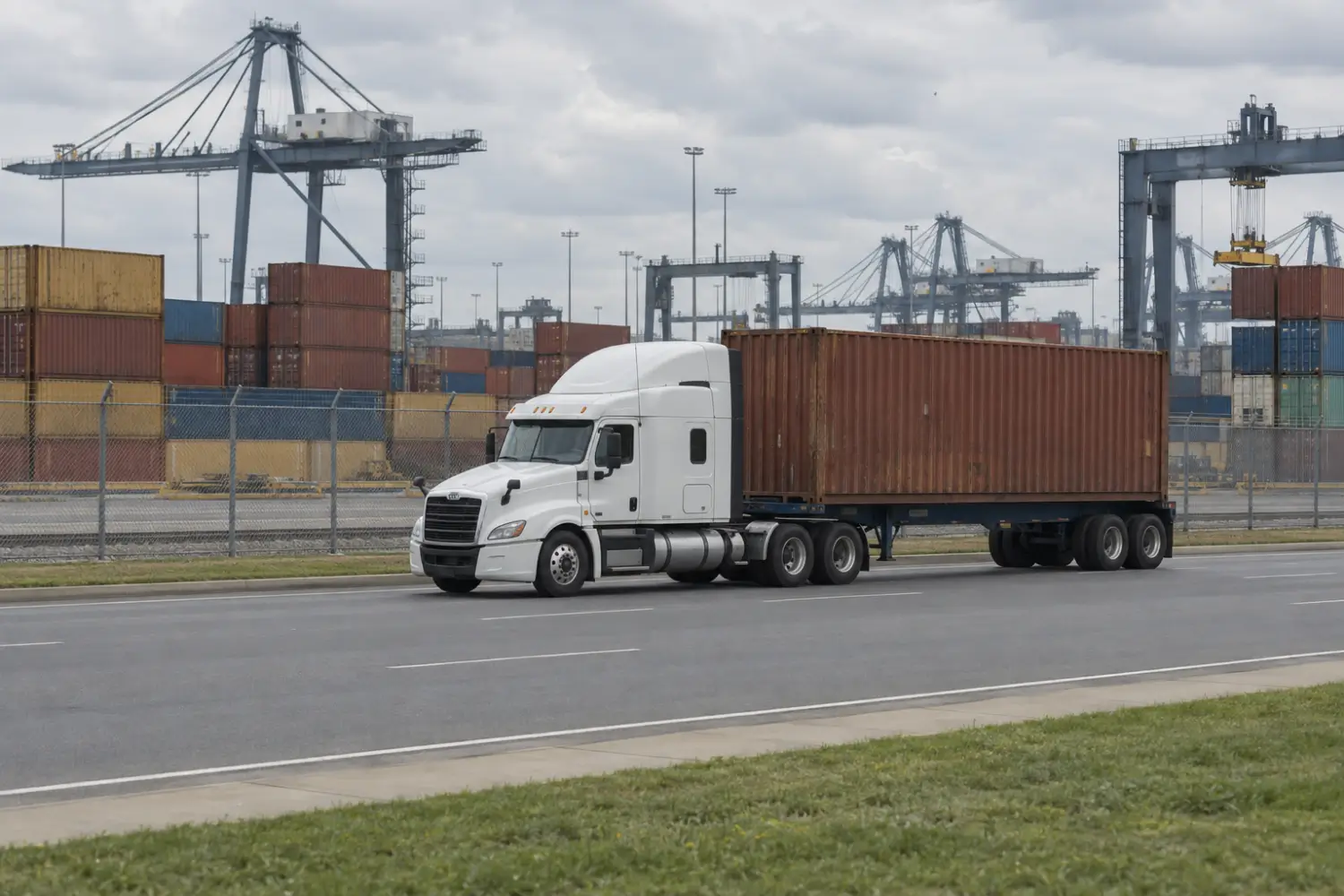
Delivery trucks and work trucks
Delivery trucks and box trucks work on city streets. A flatbed truck carries an open load. Our box truck accidents and flatbed truck accidents pages explain both. Buses follow separate passenger carrier rules, covered on our bus accident page.
Dump trucks, garbage trucks and cement trucks may be run by a company or a city.
Company vans and cars are commercial vehicles too, and our company vehicle accidents page covers them. Oil and gas work has its own page on oilfield truck accidents.
Hit by a FedEx truck or an Amazon truck
Crashes with a FedEx truck or an Amazon van are covered on our FedEx truck accident and Amazon delivery accident pages. A lawsuit against Amazon trucking contractors, or any of the companies involved, begins with identifying who operated the truck.
Liability when multiple parties share the blame
Lawyers identify the at-fault parties by matching each failure to the company that owes the duty.
The truck driver
A negligent truck driver is the first place to look. Speeding, distracted driving and driving past the hours limits can show up in the logs and the crash report.
When you can sue a truck company
The trucking company has duties of its own under federal rules. It may not put an unqualified driver on the road or let one drive when fatigue makes it unsafe. It must inspect and repair its trucks. A claim can name the company along with its driver when the driver was on the job, or when the company broke one of these duties and that caused the crash.
Shippers, repair shops and manufacturers
Whoever loaded the cargo may share fault when improper loading caused the crash. So may the truck’s owner or a repair shop when bad brake work did. A truck manufacturer or parts maker may be liable for a defect.
Each of these at-fault parties can have its own insurer. You can pursue compensation from more than one of them in the same claim.
Truck accident statistics
The National Highway Traffic Safety Administration (NHTSA) counted 5,340 people killed in traffic crashes involving large trucks in 2024, its latest year of data. An estimated 161,201 people were injured. Seventy percent of the people killed were occupants of other vehicles.
NHTSA counts any truck rated over 10,000 pounds as a large truck. NHTSA found that 80 percent of the large trucks in fatal crashes were in crashes with more than one vehicle, compared with 63 percent for passenger vehicles. These figures do not say who was at fault.
Common truck accident injuries
Truck accident injuries tend to be serious, because big trucks outweigh the passenger vehicles around them.
- Traumatic brain injuries
- Spinal cord injuries
- Broken bones
- Internal organ damage
- Burns
- Other catastrophic injuries
Life-altering injuries
Traumatic brain injuries and spinal cord injuries can end a career. Our spinal cord injury and catastrophic injury pages cover these injuries. Severe injuries like broken bones may heal and still keep a person out of work.
When a truck crash is fatal
Fatal accidents can leave a family with a legal claim of its own. When a loved one dies of fatal injuries, certain relatives or the estate can bring a wrongful death claim under state law. The family can seek compensation for the support and companionship it lost. Our pages on fatal truck accidents and wrongful death lawyers cover these claims.
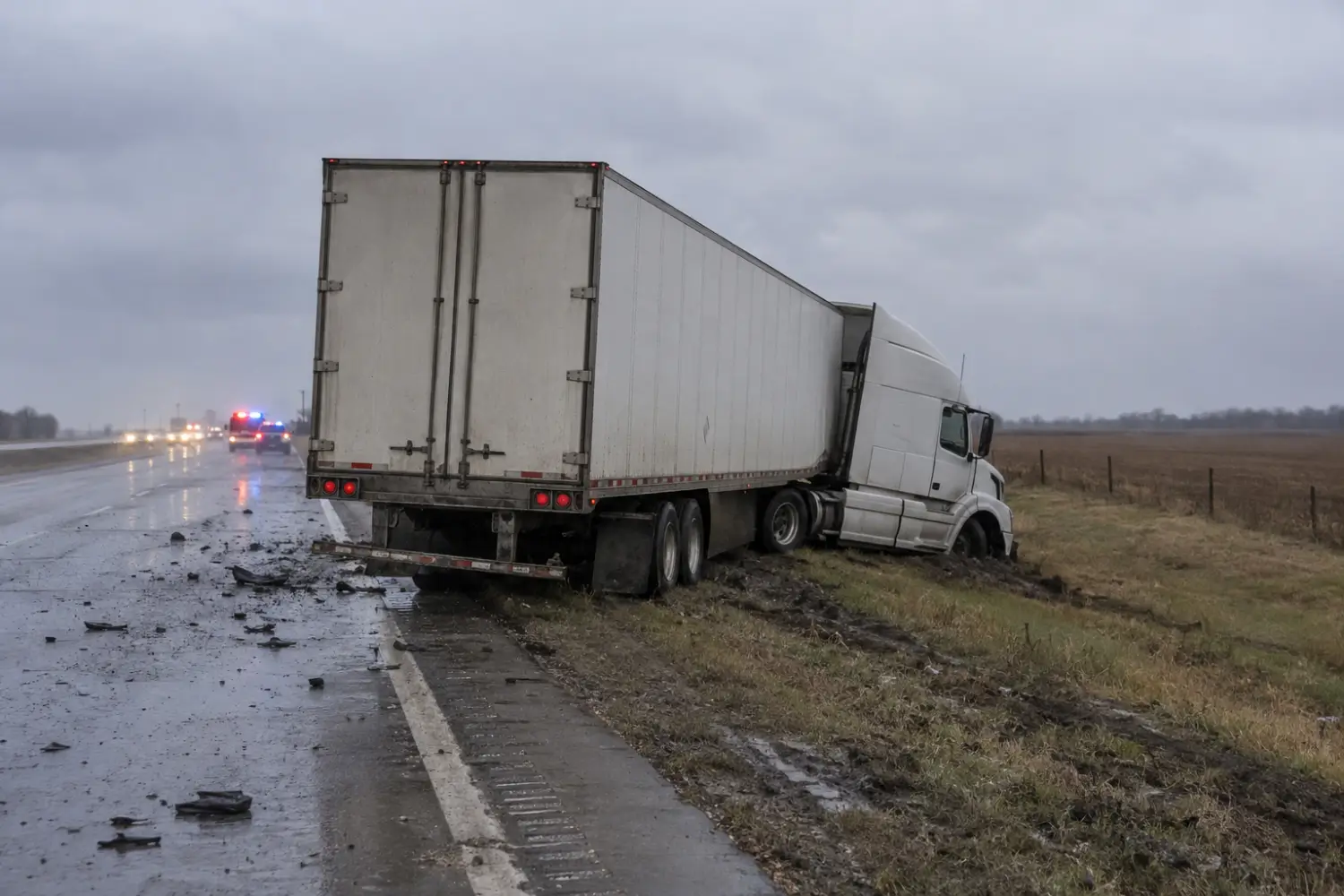
Compensation in truck accident claims
Like other personal injury cases, truck accident claims ask the negligent party to pay for what the crash cost. State law and the proof decide which losses a person can recover compensation for.
Losses with a dollar figure
Medical expenses come first, from the first medical bills to future care. Lost wages are next, including future income. Vehicle repairs belong in the claim too.
Losses without a receipt
Pain and suffering covers the physical pain, the emotional distress and the limits the injury puts on daily life. Lawyers call these non-economic damages.
Deadlines and shared fault rules by state
The statute of limitations, the time limit to file a lawsuit, and the rule on shared fault can decide whether you recover compensation at all.
Personal injury claims after a truck accident generally follow the rules below in the states where Zinda Law Group regularly handles them. The state whose law applies may not be the one where the accident occurred.
| State | General deadline for an injury lawsuit | Shared fault rule | Source |
|---|---|---|---|
| Texas | Generally two years | Damages are reduced by your share. No recovery above 50 percent | Tex. Civ. Prac. & Rem. Code 16.003 and 33.001 |
| New Mexico | Generally three years | Your share of fault lowers the award and does not bar the claim | NMSA 1978, 37-1-8 and Scott v. Rizzo (1981) |
| Arizona | Generally two years | Damages are reduced in proportion to your fault and the claim is not barred | A.R.S. 12-542 and 12-2505 |
| Colorado | Generally three years for a motor vehicle injury claim | You recover only if you were less than 50 percent at fault, and damages are reduced by your share | C.R.S. 13-80-101 and 13-21-111 |
| Florida | Generally two years for a negligence claim that arose after March 24, 2023 | Your share of fault reduces the damages. No recovery above 50 percent | Fla. Stat. 95.11 and 768.81 |
These are general rules of personal injury law as of October 2026. Each has exceptions, and a death claim can have a different deadline.
When the truck belongs to a city, a county or a state agency, notice of the claim can be due within months of the crash.
State-specific deadlines
Questions about how much time you have?
Steps to take after a truck crash
After serious accidents with big trucks, accident victims should act while evidence exists.
- Seek medical attention. See a doctor the same day.
- Call the police. A police report records the truck, the driver and the carrier’s name.
- Photograph the accident scene. Take photos of the road conditions and the name on the truck’s door.
- Gather your records. Save medical bills, lost wages records and repair estimates.
- Wait on statements. Insurance companies may ask for a recorded statement. Talk to a lawyer first.

How insurance companies treat truck accident victims
A trucking company can report a crash to its insurer the same day. Insurance companies that cover big trucks handle these claims every day, and an adjuster may call you soon after.
A settlement offer made before treatment ends can leave out care you have not had yet.
What fair compensation means
Fair compensation accounts for the full loss, including future care the evidence supports. A truck accident attorney compares each offer with the medical expenses, the lost wages and what a jury could award. Truck accident victims make the final call on every offer.
How the legal process works
The legal process starts with an investigation. The legal team gathers evidence and asks each company to preserve its records.
A demand letter follows, and the lawyer negotiates. Truck accident cases with multiple parties can mean separate talks with several insurance companies.
If the insurers will not agree to a fair settlement, the lawyer can file a truck accident lawsuit in court before the state deadline. That decision is yours.
Questions to ask a truck accident attorney
Not every personal injury lawyer handles truck cases. Look for an experienced truck accident attorney who knows the federal rules and which records to demand.
Ask an experienced attorney these questions before you hire a law firm.
- Which lawyer will handle my case day to day
- Has the law firm taken truck accident cases to trial
- How soon will letters go out to preserve the carrier’s records
- How are fees and case costs paid
An experienced truck accident attorney should be able to name the records to request at the first meeting.
When you are ready
Talk through the next step.
Truck accident lawyers by state and city
Zinda Law Group handles truck accident claims in the states below.
- Texas. Texas truck accident lawyers, Austin truck accident attorneys, Houston truck accident lawyers, San Antonio truck accidents, Corpus Christi truck accidents, Dallas truck accident claims, Fort Worth truck lawyers, El Paso truck accidents
- New Mexico. New Mexico truck lawyers, Albuquerque truck accident attorneys, Las Cruces truck accidents, Santa Fe truck lawyers
- Arizona. Arizona truck accident lawyers, Phoenix truck accident attorneys, Tucson truck accident claims
- Colorado. Colorado truck accident lawyers, Denver truck accident attorneys, Colorado Springs truck accidents, Boulder truck accident claims
- Florida. Florida truck accident lawyers, Miami truck accident claims
Our nationwide truck accident lawyer page has general information about crashes in other states.
A free consultation with our legal team
At Zinda Law Group, a personal injury law firm, a truck accident case starts with a free case evaluation. Our personal injury lawyers explain your legal options and the deadline that applies.
If you hire our law firm, our truck crash lawyers work to recover compensation while you focus on treatment.
Our firm works on a contingency fee basis, so there is no out-of-pocket cost to secure the legal representation you need. You pay nothing unless we win.